Field notes: the smelter that announced a shutdown and kept pouring concrete anyway
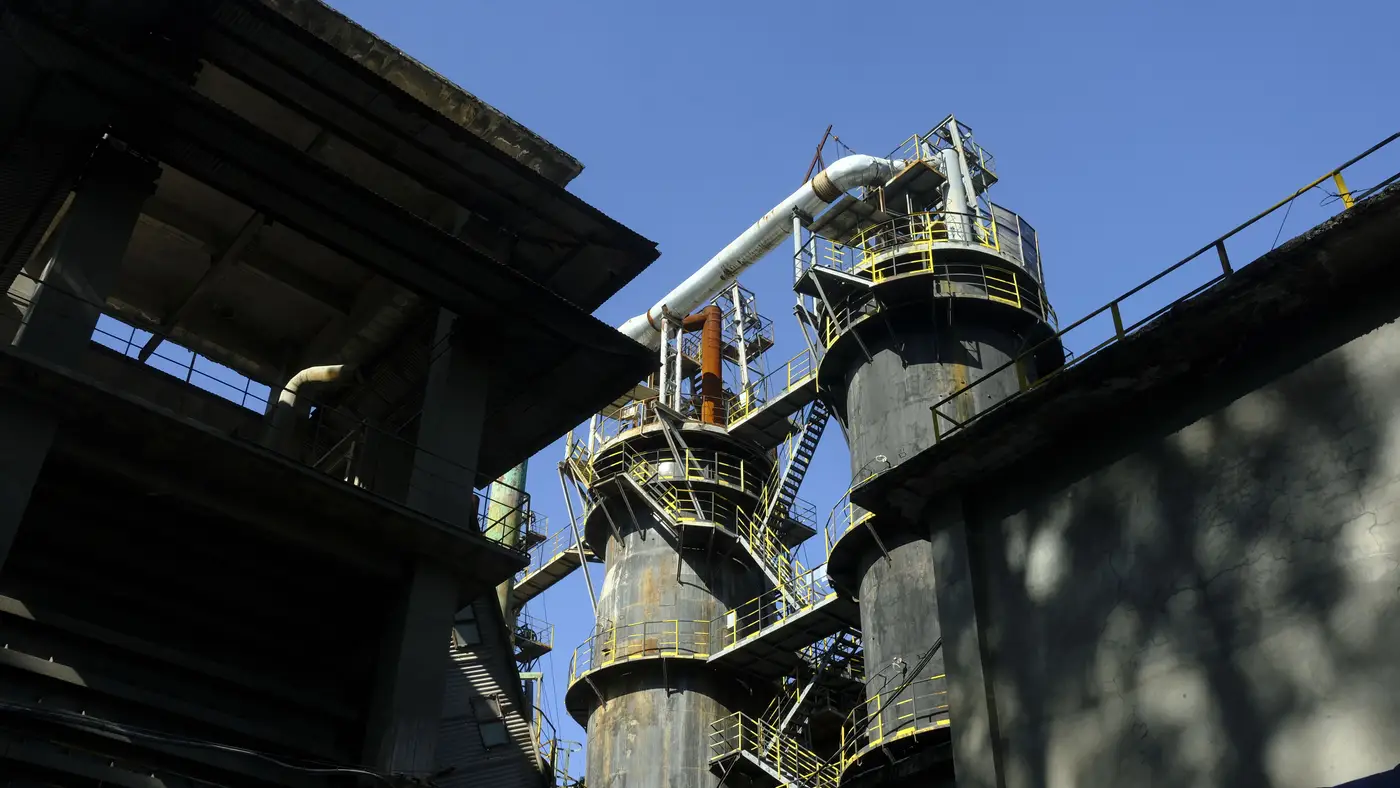
There's a particular kind of quiet that shows up on an analyst call right before the word "curtailment." You know it's coming. The CFO slows down, reaches for a phrase like "disciplined capital allocation," and the smelter you've been modeling for eighteen months gets filed under "watch for restart signals."
That's what happened with a mid-tier copper smelter we'd been tracking this fall. Region and owner don't matter for this story, the pattern is the point. Guidance came down in the Q3 call: anode capacity to be "right-sized," a furnace line flagged for indefinite idling, capex for the site trimmed to maintenance-only. The usual language. The kind that gets quoted in three trade newsletters by Friday and treated as settled fact by the following Monday.
Except the concrete trucks didn't get the memo.
We'd had the site in a quarterly pull for unrelated reasons, mostly tracking stockyard turnover for a feed-supply thesis. When the curtailment headline hit, we went back to look at what the pad near the second furnace line actually looked like. Formwork was up, and rebar cages sat staged next to a new foundation footprint that had poured weeks before the call.
None of that reads like maintenance-only work. Pouring a slab for equipment you plan to mothball is an expensive way to make a point nobody's supposed to notice.
Two readings, and we sat with both for a while before picking one. First: the capex language was aimed more at the market than at the site. A curtailment announcement lands well with a board worried about balance-sheet optics in a soft price quarter, and it costs nothing to say "idling" if the crews are already committed to a build that started two quarters earlier and can't be unwound without eating the sunk cost twice. Second, less cynical: the idled line and the new foundation were separate projects entirely. Companies curtail one furnace while expanding materials handling elsewhere on the same footprint all the time, and a single line item in a filing flattens both into one headline. Either way, the guidance and the ground told two different stories, and only one of them was checkable without waiting for the next disclosure cycle.
This is the gap that makes capex guidance such an unreliable leading indicator on its own. It's a statement of intent, reviewed by legal, timed to a reporting calendar, and written to manage a market reaction. Site activity is a statement of sunk cost. Nobody pours a new stockyard pad or extends a conveyor gantry as a feint. The physical build either happened or it didn't, and it shows up in whatever's watching the site, whether anyone meant it to or not.
The lag matters too. By the time a curtailment shows up confirmed in a production report, or shows up reversed in next year's guidance as "accelerated ramp," the real decision was made a year or more earlier, back when the foundation went in. Analysts who only trade on the quarterly numbers are trading on old information dressed up as new.
None of this means guidance is worthless. It's a data point about what management wants you to believe this quarter. It's a different data point from what's getting built on the ground. Treating them as interchangeable is how a curtailment story turns into a surprise ramp-up story twelve months later, and how a supply forecast built on filings alone ends up wrong in the direction nobody hedged for.
We built a quarterly per-site change log for exactly this gap, tracking new pits, plant additions, conveyor runs, and stockyard growth at named competitor sites on the schedule the pour crews keep, independent of the filing calendar. If you're carrying a supply model that leans on guidance language more than it should, it's worth seeing what the pour schedule says.