Blog
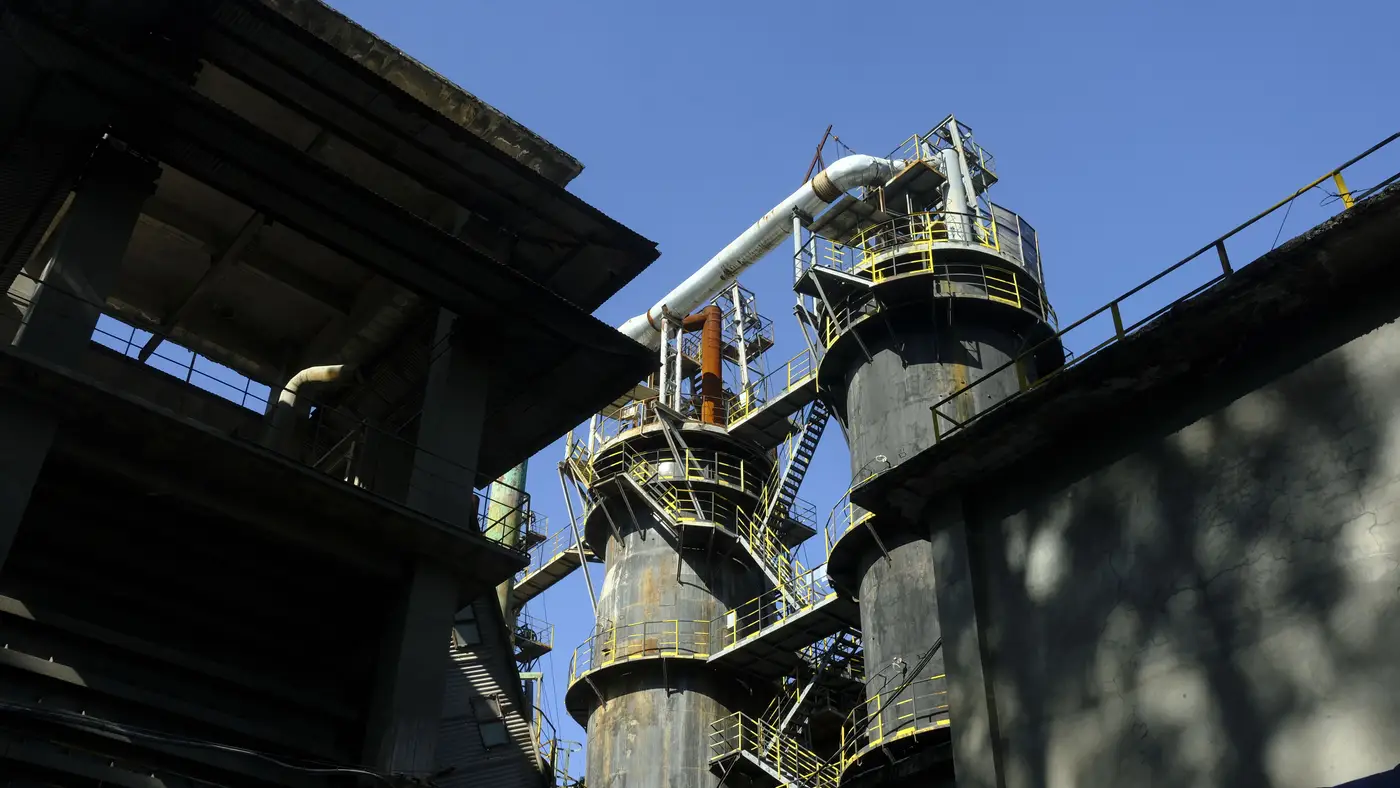 Field notes: the smelter that announced a shutdown and kept pouring concrete anyway
A smelter flagged curtailment on the earnings call. The pour schedule said otherwise. Notes on reading capex guidance against site activity.
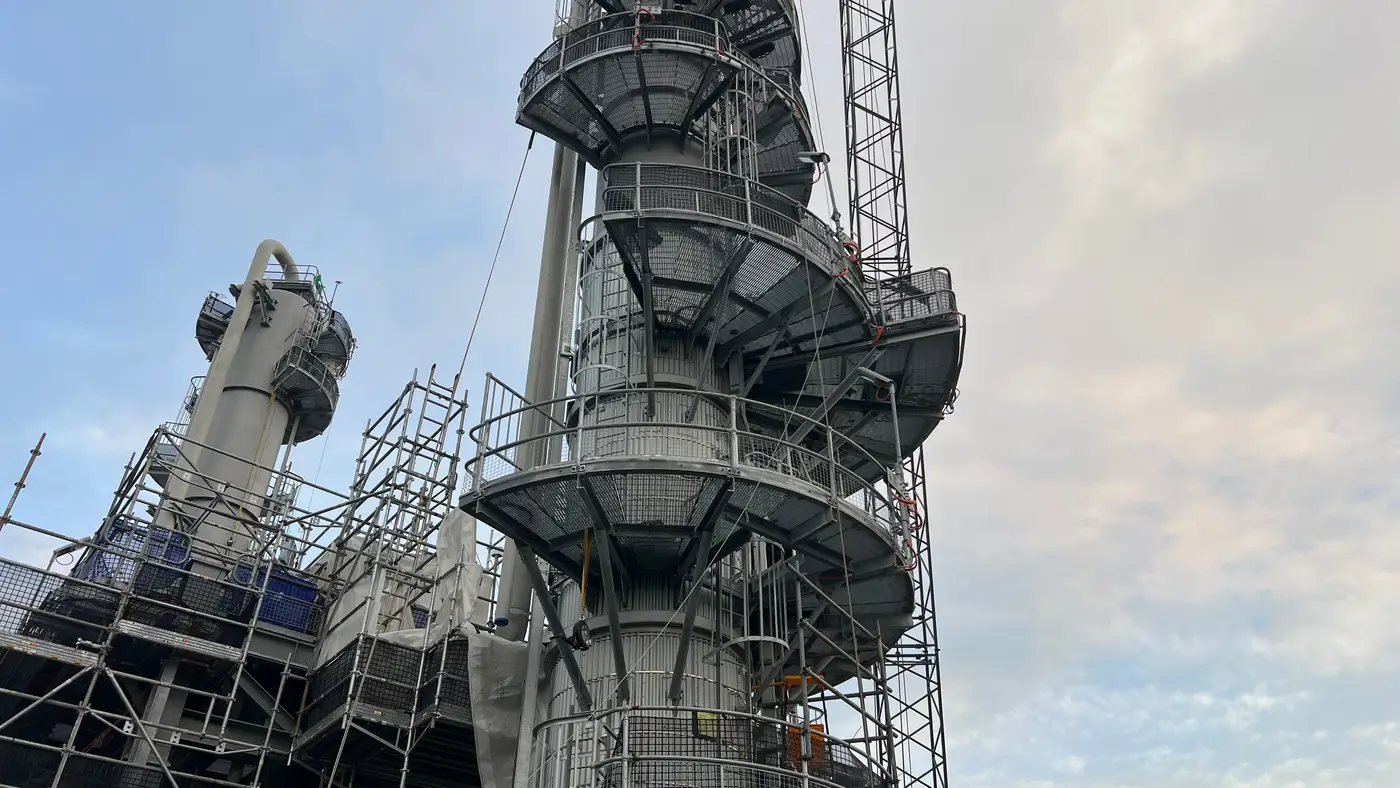 What is an autoclave circuit, and why does adding one signal a capacity increase?
A plain explainer on pressure oxidation circuits, why operators bolt on autoclave capacity, and how the construction shows up before the production report does.
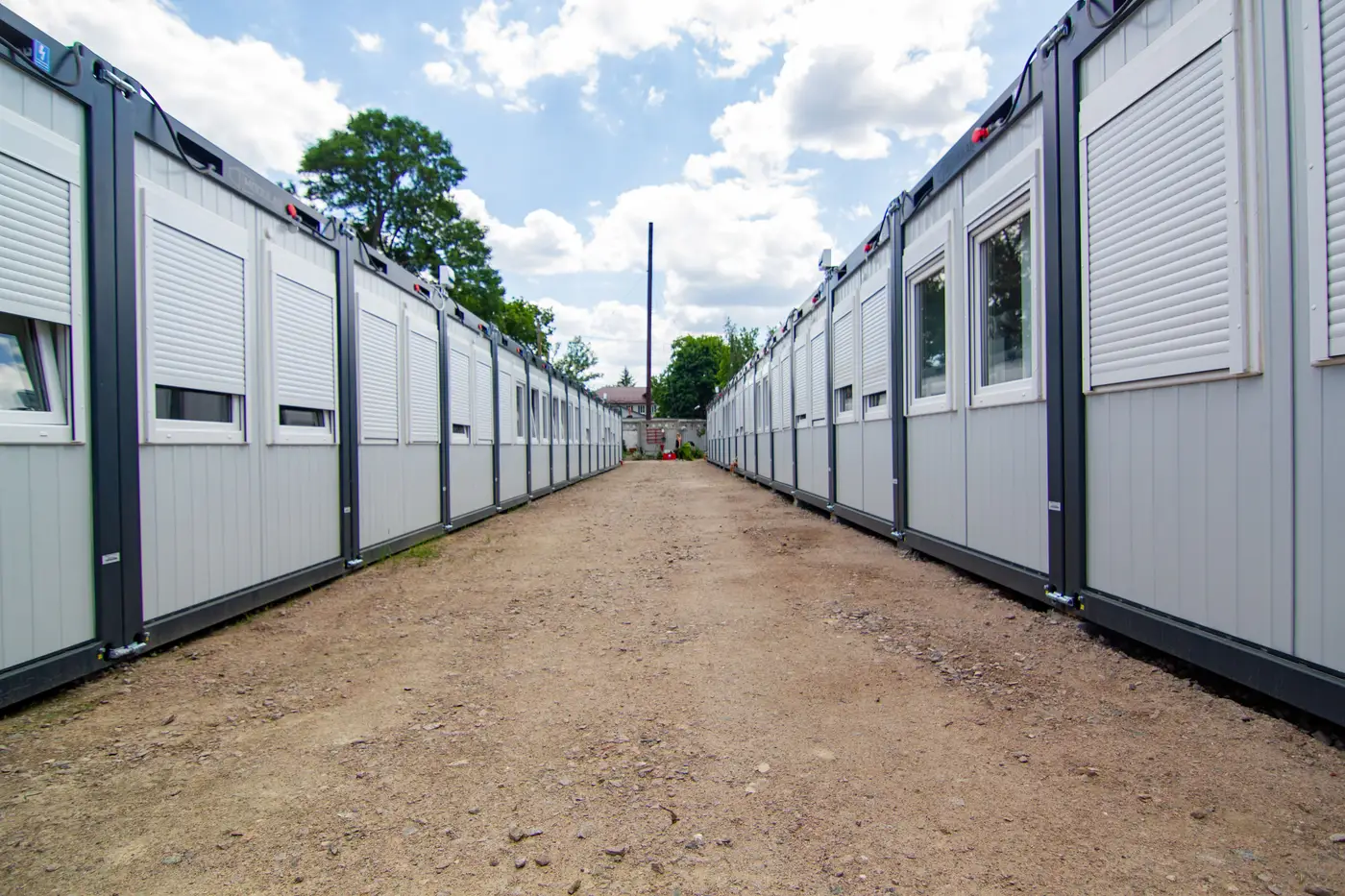 Camp expansion vs. plant expansion: reading a remote mine site right
How to tell workforce camp growth from plant and stockyard expansion at a remote mine site, and what the gap between the two is telling you.
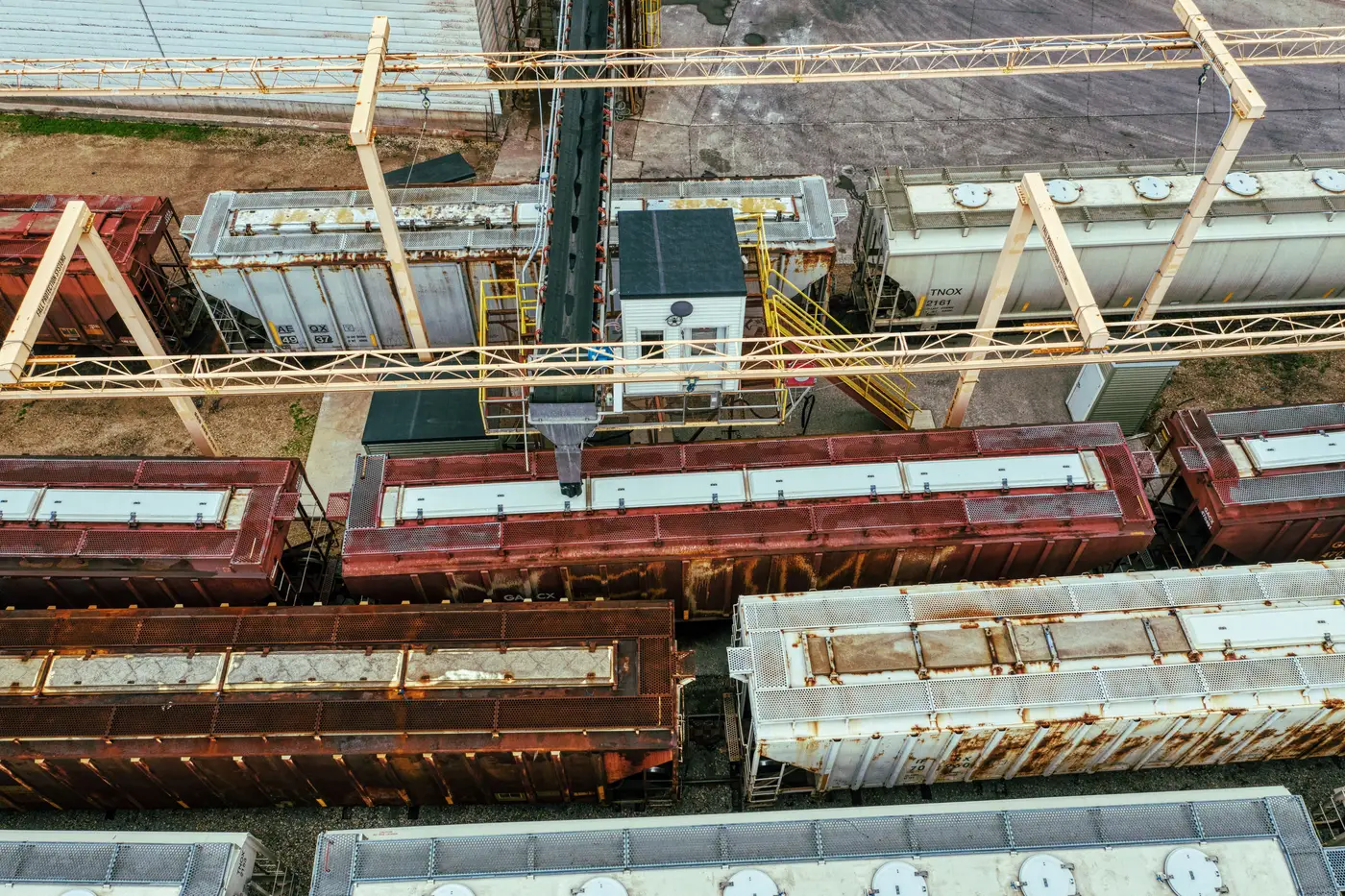 What is a rail loadout, and why its expansion signals a ramp
What a rail loadout is, how its loop track and siding capacity get sized to a production number, and why expanding one signals a mine ramping up.
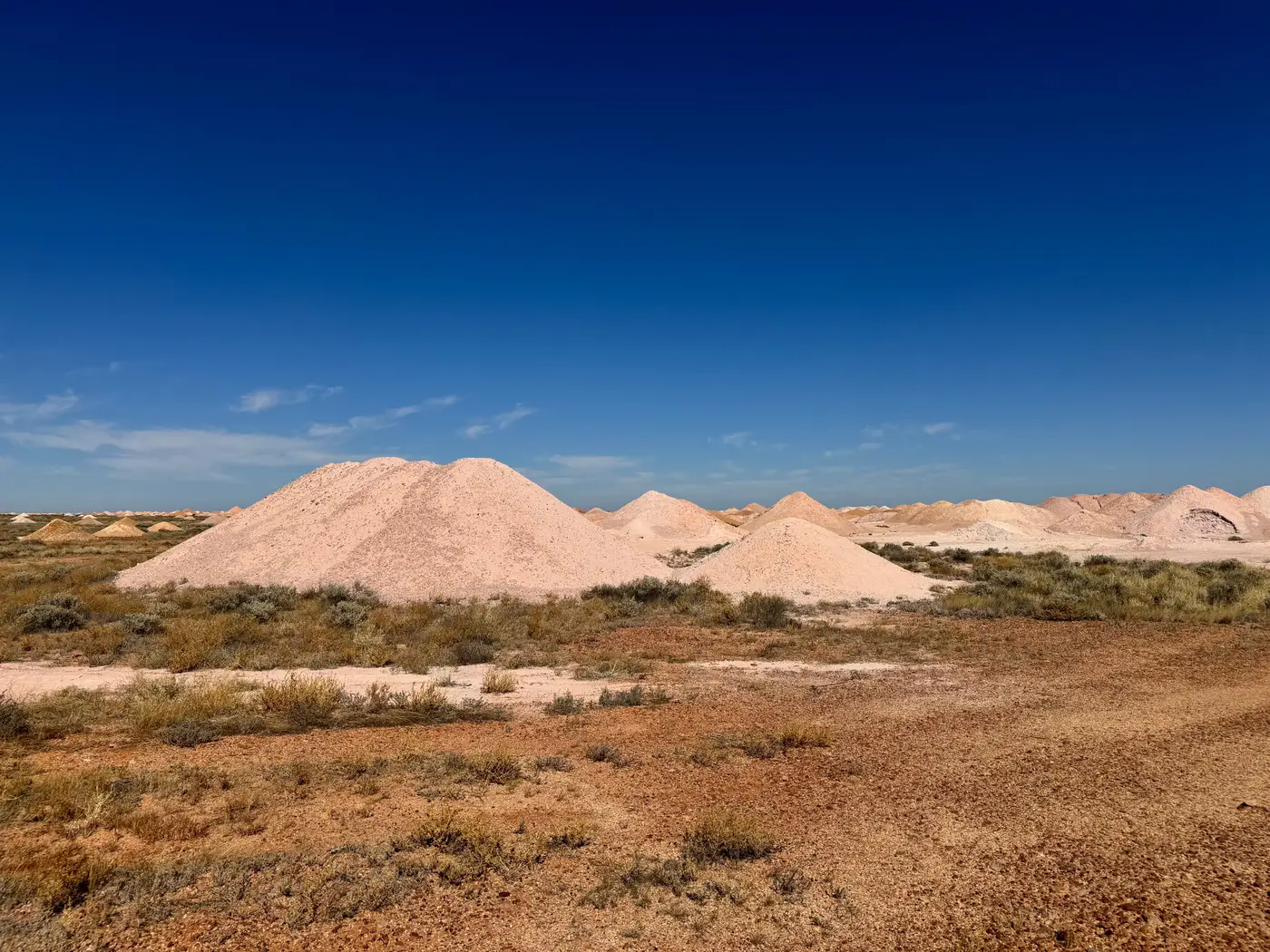 Field notes: the quarter a mid-tier miner expanded and said nothing
A field-notes read on the quarter a mid-tier miner's earnings call said nothing about expansion while its site footprint grew.
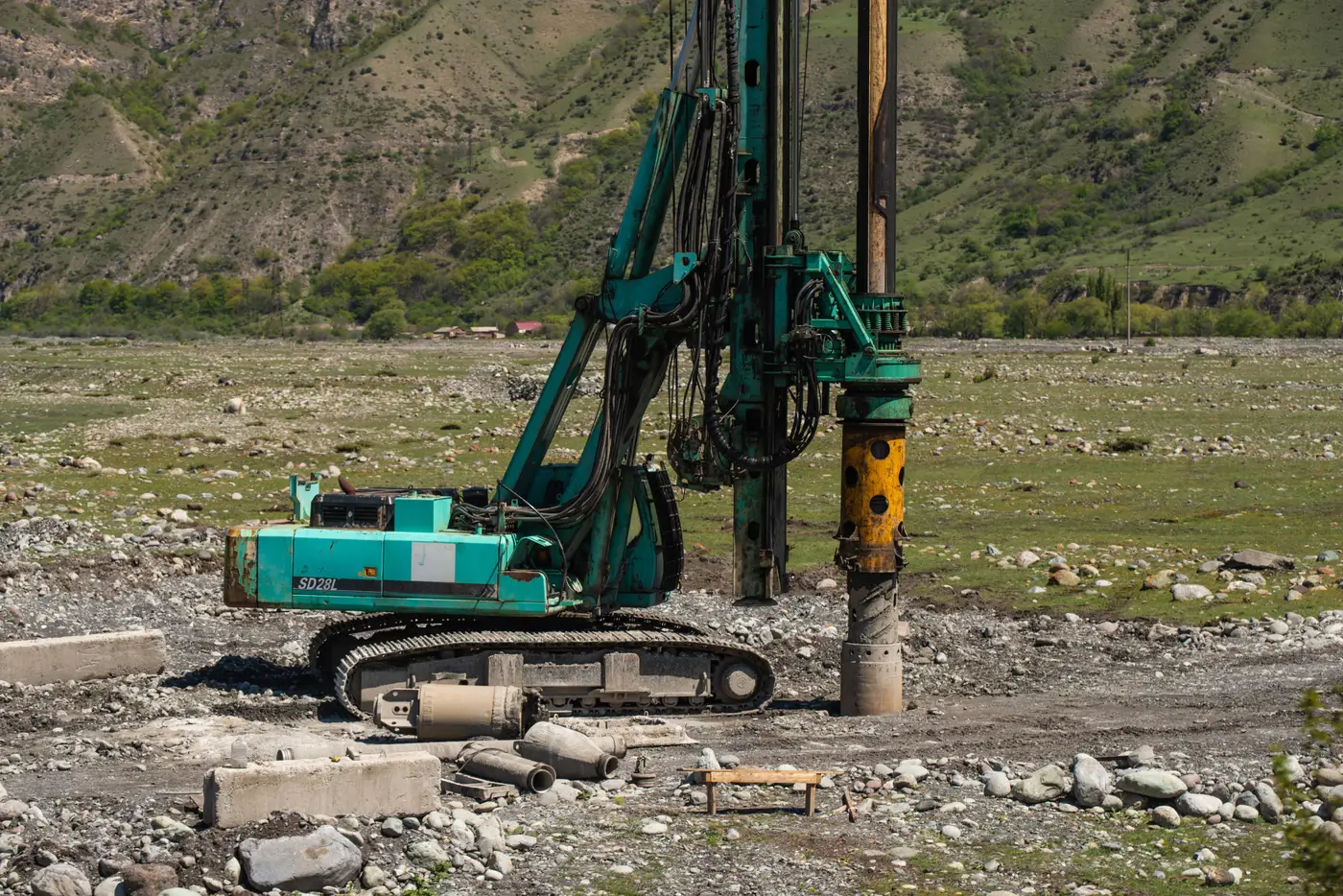 What a definitive feasibility study signals before production guidance does
A DFS locks in a mine's capex, throughput and schedule years before production guidance shows it. Here's why that filing date matters to your supply model.
- Heap leach pad vs. tailings pond: how to tell new earthworks apart
How to tell a new heap leach pad apart from a tailings pond in satellite imagery, by siting, texture and growth pattern.
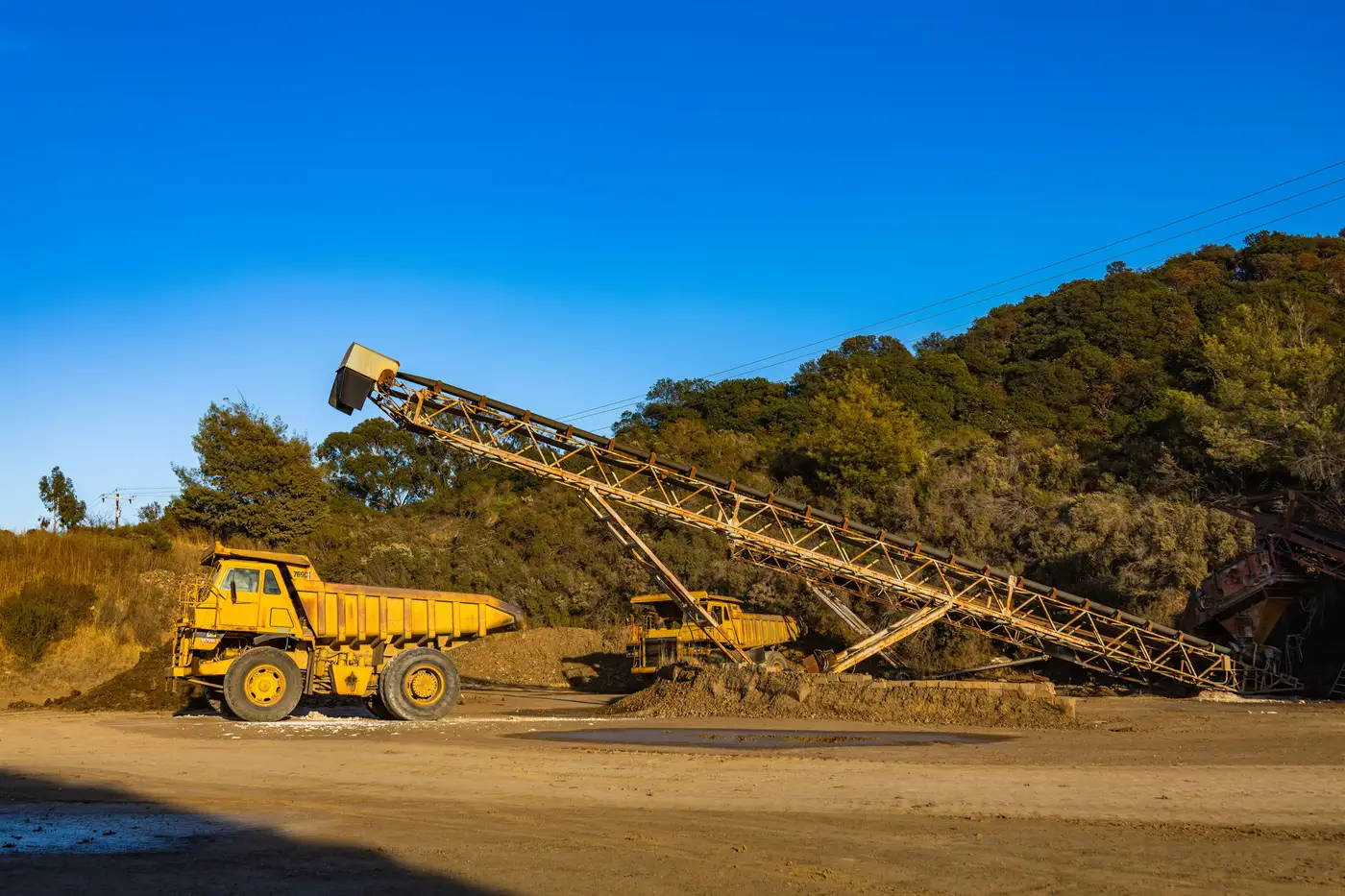 What a stockyard reclaim system is, and why its growth is a capacity signal
A plain look at stockyard reclaim systems: reclaim gear sets real throughput, and a reclaim upgrade signals growth months early.
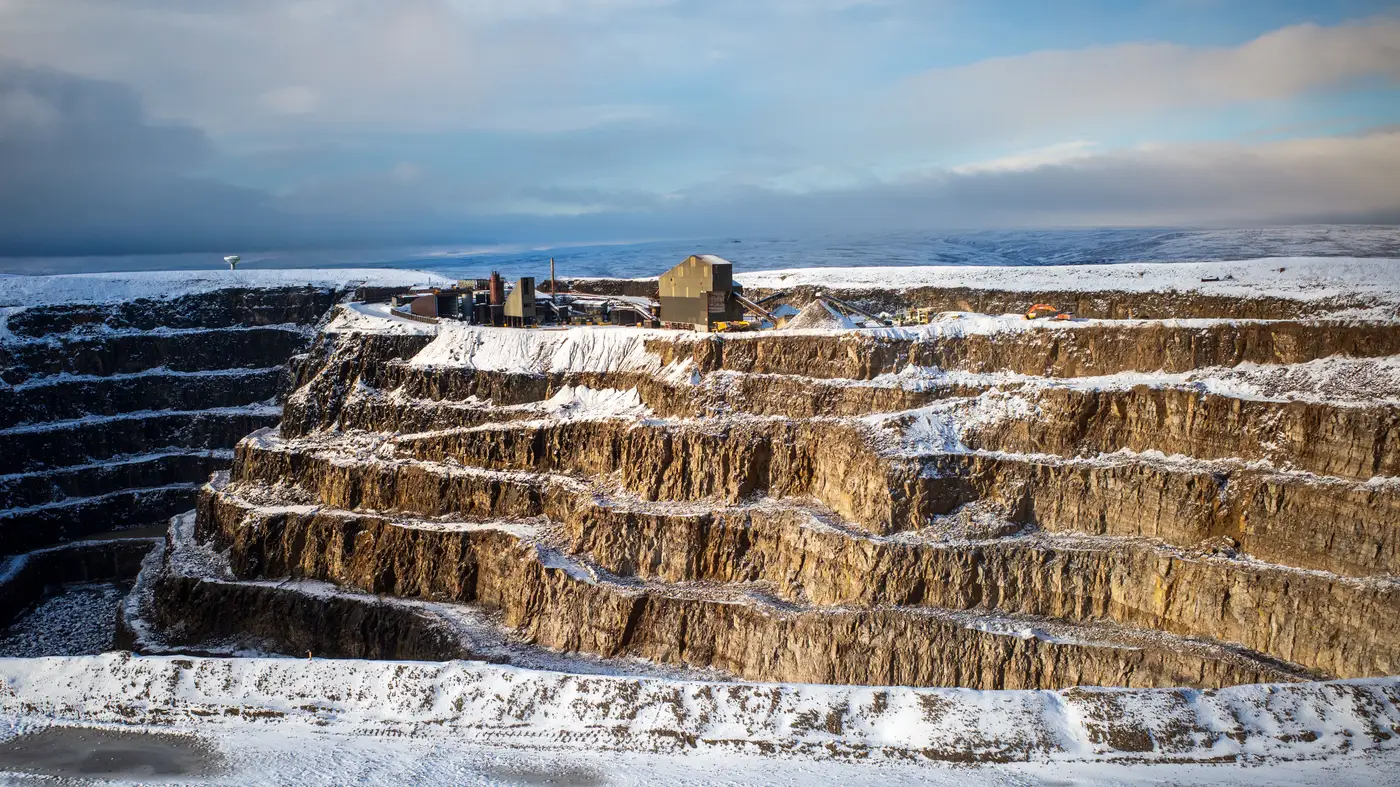 Field notes: the winter a competitor's pit went quiet, and then didn't
A field-notes account of a competitor site that looked idle on imagery for two quarters, then came back with new bench width nobody had modeled.
 What is a pushback, and why it shows up before the output numbers do
Pit pushback vs. new pit, explained for analysts who need to spot a mine expansion stage months before the filing confirms it.
 How to build a quarterly watchlist of competitor mine sites
A practical method for building a named-site monitoring list, so you catch rival pit and plant expansion before the filing drops.
- What a mine life extension tells you about a supply forecast
LOM extensions get announced as good news. Here's how to tell reserve replacement from real new capacity before it hits your supply forecast.
- Conveyor length as a proxy for plant throughput capacity
How to read overland conveyor length and routing from satellite imagery to estimate a competitor's processing capacity before it hits a filing.
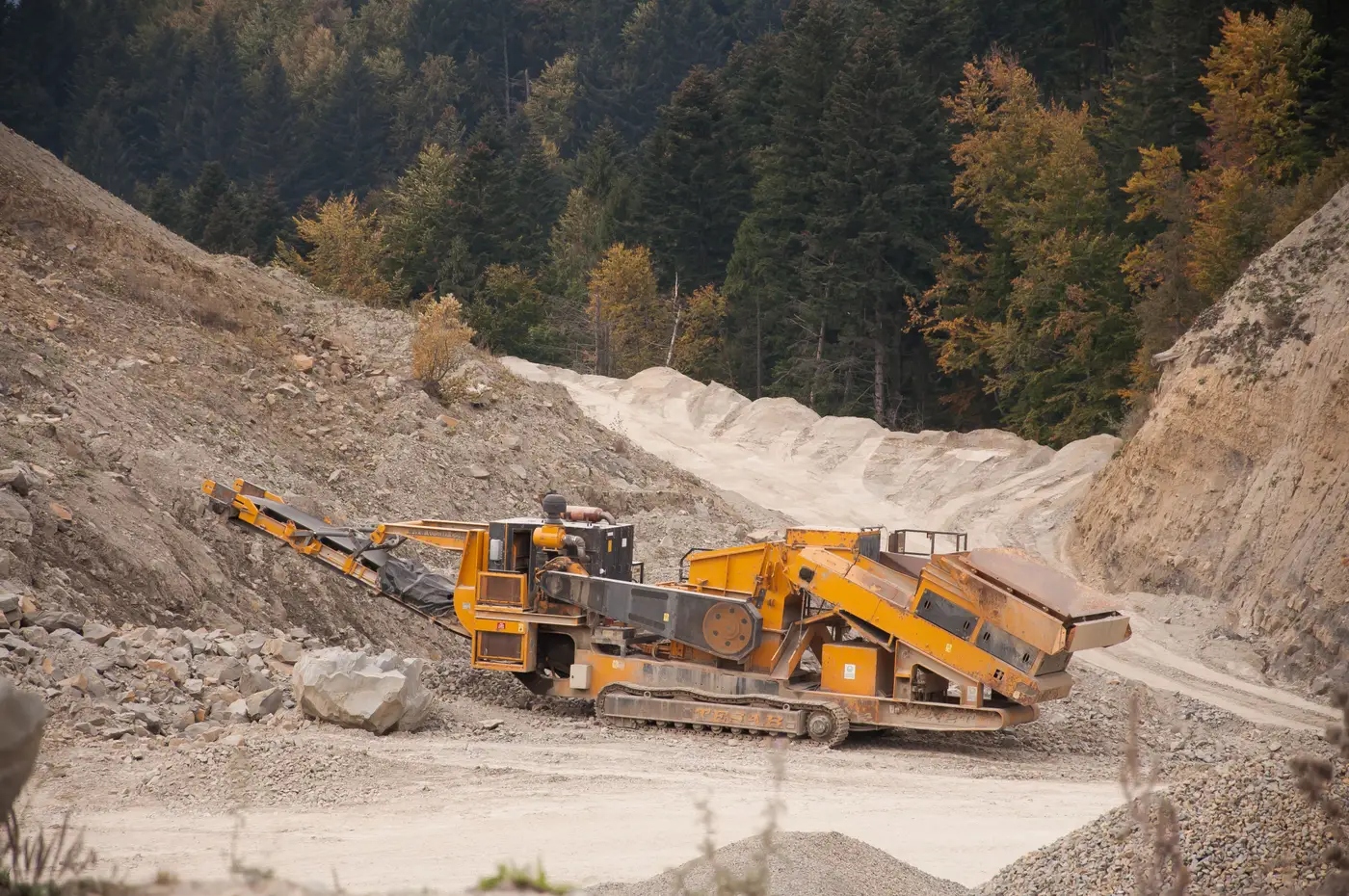 What a secondary crushing circuit addition tells you about capacity
A new secondary crusher at a competitor's mine site is a throughput signal worth tracking before it reaches a filing.
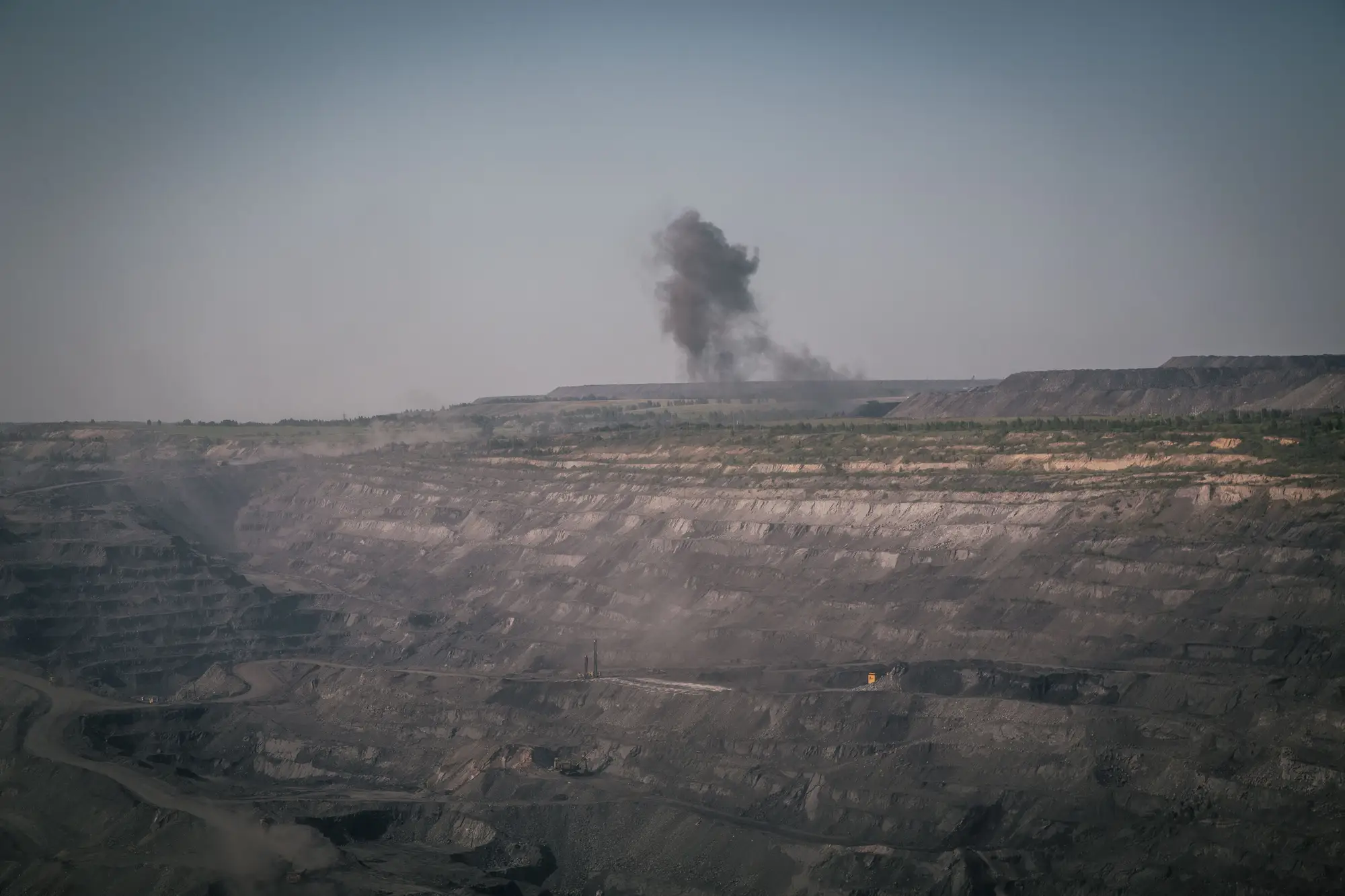 Brownfield expansion vs. new pit development in satellite imagery
How to tell brownfield mine expansion from a new pit using footprint history and sequence in quarterly satellite imagery.
- Permit to first dirt: the real lag at a mine site
Why permit approval and visible construction rarely line up at a mine site, and what to watch for instead of the permit date.
- Waste rock dump growth vs. ore stockpile growth: reading the difference
Why waste dump growth and ore stockpile growth tell different stories about a competitor's mine, and which one moves first.
- What is strip ratio, and why it moves before a production report does
Strip ratio explained for commodity analysts: why waste-to-ore ratio shifts at a mine site before production reports or filings catch up.